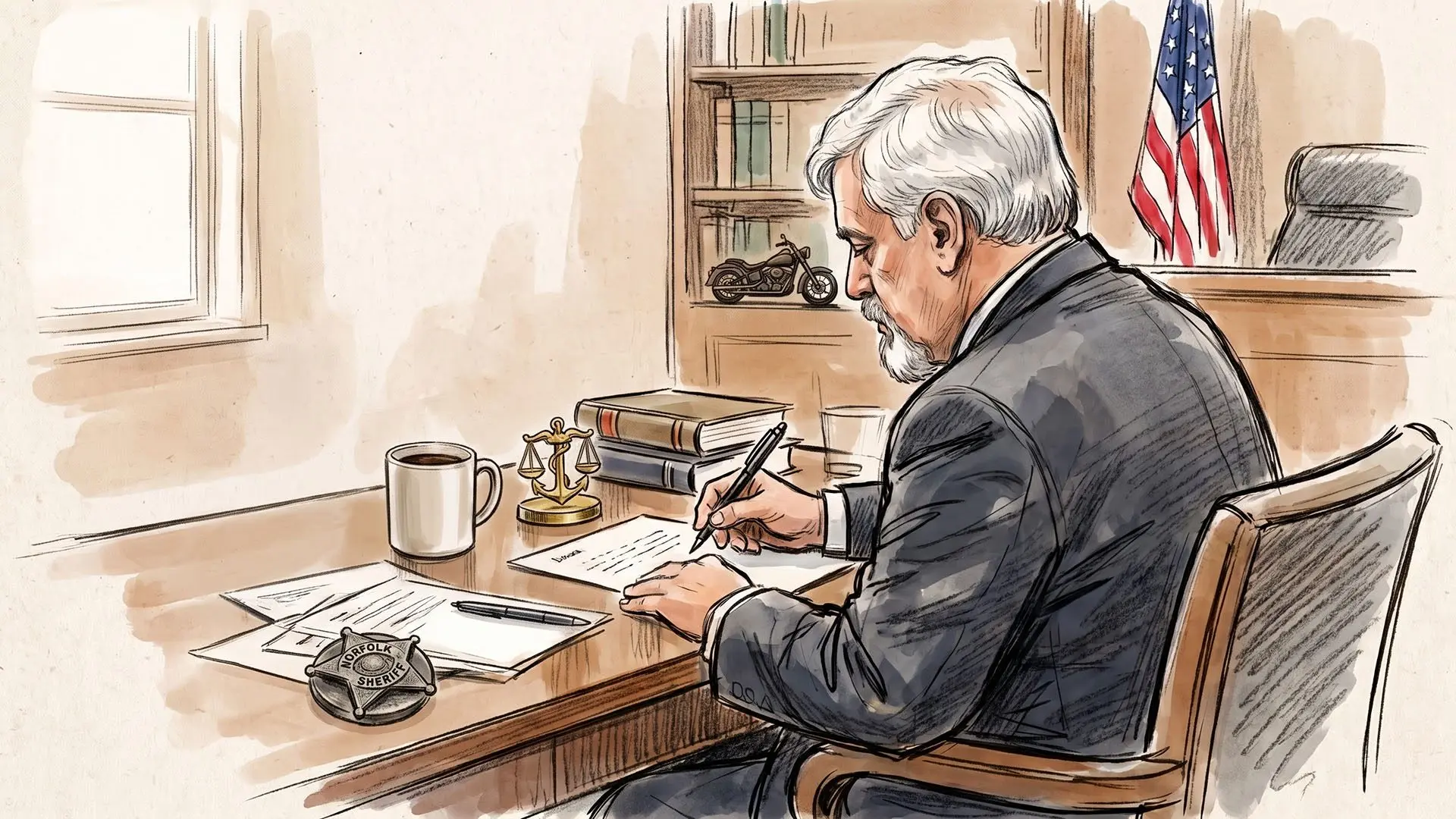

Common Sense is a new series in which I will channel Thomas Paine’s passion into the modern era. This week, I talk about first principles and how socialism betrays the individualism that the Founders sought to preserve. Read more about Common Sense here.
INTRODUCTION
It is a driver of the “energy” of the new Left to defame the first principles embodied in the Constitution as simply a cover for the protection of slavery and a recipe for white economic supremacy. This nonsense sees traction in deep-blue urban centers but hits a roadblock on the national stage. So-called mainstream Democrats are faced with the mission creep of the Sanders socialist design for the future. More government regulations to nationalize free enterprise and wealth redistribution through pervasive taxation and entitlement expansion, just to name a few. The Democratic Socialist platform, copied here, goes even further. Increasing government through the expansion of an unconstitutional fourth branch exercising powers not constitutionally vested in it while vaporizing borders and immigration enforcement and “demilitarizing” the police are all contrary to both common sense and the first principles that formed our Republic. Criminality and its cancerous effect on peaceful civil society is explained away as a consequence of “systemic racism” and oppression. Garbage. Police are villains, and criminals are folk heroes. A naïve view of geopolitics forged in the classroom, untethered to the real dangerous world. Judicial review as a check on legislative and executive overreach is seen as evil, and the concept of separate but equal branches is to be reengineered to ensure that a too powerful Congress and central planning are the new normal. Certainly, affordable health care and tuition are laudable goals with bipartisan support; however, this radical realignment of our constitutional system not only runs afoul of common sense, but it is also a rehash of historically failed policies around the globe and is contrary to basic human nature. The Founders will survive their vilification and defamation at the hands of the professional students who comprise the new Left. Taxation and the tyranny of a strong central government never survive. Return to first principles and leave the individual to his own ambitions and desires to reap the rewards of boldness and success. Keep him safe from domestic and imported criminality. Common sense.
THOMAS JEFFERSON AND GEORGE MASON SHEPARDED LONG STANDING PRINCIPLES OF NATURAL LAW INTO A TIMELESS FRAMEWORK FOR GOVERNMENT FOR THE SIMPLE REASON THAT IT CELEBRATED THE INDIVIDUAL AND NOT THE COLLECTIVE
These Virginians equated a very powerful central government with the monarchy that was overthrown. The King would never accept the concept of federalism—states within a nation operating within a framework of delegated and reserved powers. All British subjects were subservient to the Crown. In the transition from the Articles of Confederation to the Constitution, there was significant concern over what powers the central government would exercise over the sovereign states. Both Jefferson and Mason, in differing degrees, were distrustful of a central government but aware of the necessity of a strong nation with the ability to raise a navy and an army to protect the nation and the lanes of commerce. George Mason had, previously in 1776, penned the Virginia Declaration of Rights, which later, in part, became the Bill of Rights, the first ten Amendments to the new Constitution. It is reproduced here.
In fact, it was this aversion to an overarching federal government that led to George Mason insisting on a Bill of Rights in connection with ratification. His resistance is described here on the website of the Scalia School of Law:
As a delegate to the Constitutional Convention, Mason refused to sign the Constitution and lobbied against its ratification in his home state, believing the document as drafted gave too much power to a central government and was incomplete absent a bill of rights to guarantee individual liberty. His dissent arose in part, too, from what he perceived as the Convention’s reluctance to deal more harshly with the institution of slavery (although he himself held slaves).
Mason’s refusal to sign the new Constitution cost him greatly, as he lost the friendship of Washington and others over his refusal to endorse the document in its final form. His refusal cost him his rightful place in the annals of history to some extent, as well. Mason is sometimes referred to as the “Forgotten Founder,” largely ignored by history books and often uncredited for originating many of the core concepts and much of the language later incorporated in both the Declaration of Independence and the Bill of Rights.
Mason’s efforts to ensure a protection of individual rights ultimately came to fruition in the year prior to his death with the passage of the federal Bill of Rights on December 15, 1791, providing the first ten amendments to the Constitution.
Socialist doctrine is directly contrary to individual rights and, in fact, directly threatens civil society through the demonization of criminal law enforcement, unvetted and borderless immigration policy, and the promotion of cashless bail and the release of dangerous criminals into society. George Mason included the natural right of safety as part of the pursuit of happiness. Civil society suffers when we depart from first principles. Economic liberty suffers at the hands of an administrative state, which redistributes wealth in the form of overregulation and class-warfare-generated “wealth taxes.” Socialists believe that to have achieved success, the bold MUST have oppressed someone or broken the law. This aversion to individual initiative, which has created innovation, industries and benefited humanity writ large, is also contrary to the founding first principles. Why create if the fruits of one’s labors will be redistributed to those who choose to wait for the next government benefit? Common sense.
Jefferson also saw, in the free individual unhindered by an overbearing state, the future of a prosperous society. He was a champion of limited government, and his words, preserved for history, should never be forgotten:
“The pillars of our prosperity are the most thriving when left most free to individual enterprise.”
“The policy of the American government is to leave their citizens free, neither restraining nor aiding them in their pursuits.”
“To take from one because it is thought that his own industry and that of his father’s has acquired too much, in order to spare to others, who, or whose fathers have not exercised equal industry and skill, is to violate arbitrarily the first principle of association—the guarantee to every one of a free exercise of his industry and the fruits acquired by it.”
“Our wish is that…[there may be] maintained that state of property, equal or unequal, which results to every man from his own industry or that of his fathers.”
“The functionaries of every government have propensities to command at will the liberty and property of their constituents.”
“We have more machinery of government than is necessary, too many parasites living on the labor of the industrious…it might be much simplified to the relief of those who maintain it.”
“A wise and frugal Government, which shall restrain men from injuring one another, shall leave them otherwise free to regulate their own pursuits of industry and improvement, and shall not take from the mouth of labor the bread it has earned…is the sum of good government.”
“If we can prevent the government from wasting the labors of the people under the pretense of taking care of them, they must become happy.”
CONCLUSION
Common sense. An individual who is encouraged to be bold and innovative and to create will prosper and civil society will benefit. Government, in the exercise of reasonable regulation, can ensure free competition, deter corruption and protect the safety of the populace at both the state and federal levels. Policies and laws that penalize innovation because of taxes and regulations borne of a class warfare mentality will frustrate the founding principles set forth by Jefferson and Mason centuries ago. They are no less relevant today. Promises of “free everything” inevitably results in taxes and policies that have been rejected historically. Socialism is wrong on every level and is incompatible with our constitutional design. That is why its adherents constantly seek to tear up the Constitution and replace it. There is every reason why this nonsense should be rejected now if we only adhere to the ancient principles that forged the Enlightenment and this Republic- the individual is superior to the collective. Common sense.
Mike Imprevento
July 13th, 2026
COMMON SENSE
I have always been fascinated by the transformative effect Thomas Paine’s Common Sense had on colonial sentiment toward independence between 1775 and 1776. These times demand a modern version of that same clarity — a way to alert Americans to the coming storm of political doctrines that threaten the Republic and its structures. In future editions of Into the Weeds, I will examine these issues through the lens of common sense, with the humble goal of exposing the true danger the new Left poses. An informed mind will reject the dismantling of our constitutional structure and the threats to freedom we face in this new political era.